
Solutions · Data center
Data Center Infrastructure
Silex architects, supplies, and deploys compute, storage, and networking that fits current workloads and the next refresh, without locking you into one vendor. We recommend the platform that fits, and we support it after it goes live.
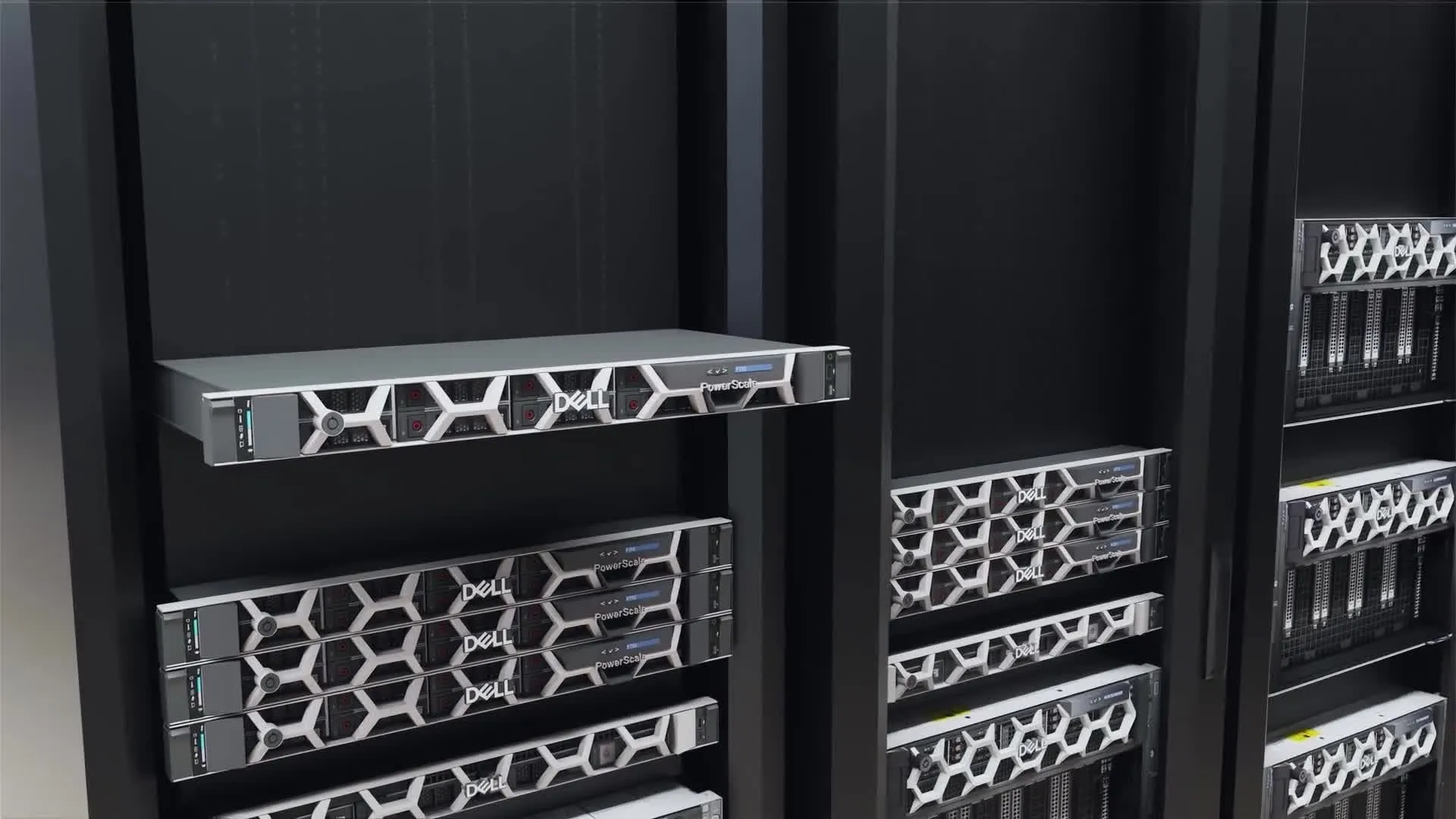
How the layers fit
One design across compute, storage, and network.
Silex designs the layers as one system, so the network carries the storage traffic it was sized for and the hypervisor supports the servers and arrays you buy.
Networking
Data center switching, routing, and application delivery, designed for the traffic between your servers, storage, and users.
Cisco · Arista · F5Compute and GPU
Servers and GPU systems sized to your workloads, from virtualization hosts to AI training and inference nodes.
Dell Technologies · HPE · Supermicro · CiscoStorage and data platforms
Block, file, and object storage chosen for each workload’s performance, capacity, and protection needs.
Everpure · NetApp · Hitachi Vantara · VAST Data · DellVirtualization and hyperconverged
Hypervisor, hyperconverged, and OpenShift Virtualization platforms that run your virtual machines and let them move during a refresh.
Nutanix · Broadcom · Red Hat OpenShift VirtualizationOne team supplies, deploys, and supports all four layers, and coordinates with each manufacturer when a component needs service.
Support and renewalsRefresh, migration, and consolidation
From the current estate to the next one.
A refresh is a migration project as much as a purchase. Silex plans the move before the new hardware arrives.
- 01
Assess the current estate
Silex inventories servers, storage, networks, and workloads, including utilization and support end dates.
- 02
Plan capacity and placement
We size the new platforms for current workloads and expected growth, and decide where each workload will run.
- 03
Supply and stage
Silex supplies the hardware through distribution, then stages and configures it before any workload moves.
- 04
Migrate data and workloads
Workloads move in planned waves, and each wave has a tested cutover and a rollback path.
- 05
Decommission
We take the old equipment out of service after the new environment is validated, and update the documentation and maintenance contracts to match.
What we deliver
Designed, supplied, deployed, and supported.
Architecture and sizing
Designs for compute, storage, and networking sized to current workloads and the next refresh, with each decision documented.
Supply through the line card
Hardware and software from more than 150 platforms, purchased through our distribution partners or the contract vehicles your procurement team already uses.
Deployment and configuration
Silex deploys and configures the platforms, and manages network and system configuration as code where the platform supports it.
Data migration
Planned migration of data and workloads to the new platforms, in waves with tested cutovers.
Support and renewals
Multi-vendor third-party hardware support, and maintenance and renewals tracked and quoted before they lapse.
Data protection
Backup, immutable snapshots, and isolated recovery designed together with the storage, so you can recover clean systems after an attack.
Platforms
Manufacturers we supply and support.
Silex is vendor-neutral. We recommend the platform that fits your workloads, lead times, and team.

Platinum Partner

Servers and storage

Servers and GPU systems

Networking and compute

Data center networking
Application delivery

Formerly Pure Storage

Storage

Storage

Data platform

Hyperconverged

Virtualization

OpenShift Virtualization
Questions buyers ask
Questions
How does Silex choose between vendors?
Silex is vendor-neutral. We compare platforms on your workload requirements, lead time, cost, and how your team will operate the result, and we recommend the one that fits, including when that means a vendor Silex does not resell.
Can Silex supply and install the hardware?
Yes. Silex supplies servers, storage, and networking from the manufacturers on our line card through our distribution partners, then deploys, configures, and tests the environment.
Should we choose hyperconverged or three-tier infrastructure?
Hyperconverged infrastructure combines compute, storage, and virtualization in one cluster and grows by adding nodes, which suits many general workloads and remote sites. A three-tier design with separate servers, storage arrays, and networks lets you grow compute and storage independently, which suits large databases and workloads that grow unevenly. Silex compares both against your workloads.
How do you keep downtime low during a migration?
Silex plans each migration from an inventory of workloads and their dependencies, groups them into waves, and schedules cutovers in maintenance windows you approve. Every wave has a rollback path, and the plan states the expected downtime for each workload before work starts.
Can virtual machines and containers run on one platform?
Yes. Red Hat OpenShift Virtualization runs virtual machines alongside containers on the same OpenShift cluster, so you can manage both with one set of tools and move applications to containers over time. Silex compares it with Nutanix and Broadcom platforms against your workloads before recommending one.
What support is available after deployment?
Silex tracks maintenance and renewals and quotes them before they lapse, provides multi-vendor third-party hardware support, and can operate the environment with your team through managed services.
Next step
Talk to an infrastructure engineer.
Tell us about your current estate and your next refresh, and we will recommend the platforms that fit, with the reasoning.